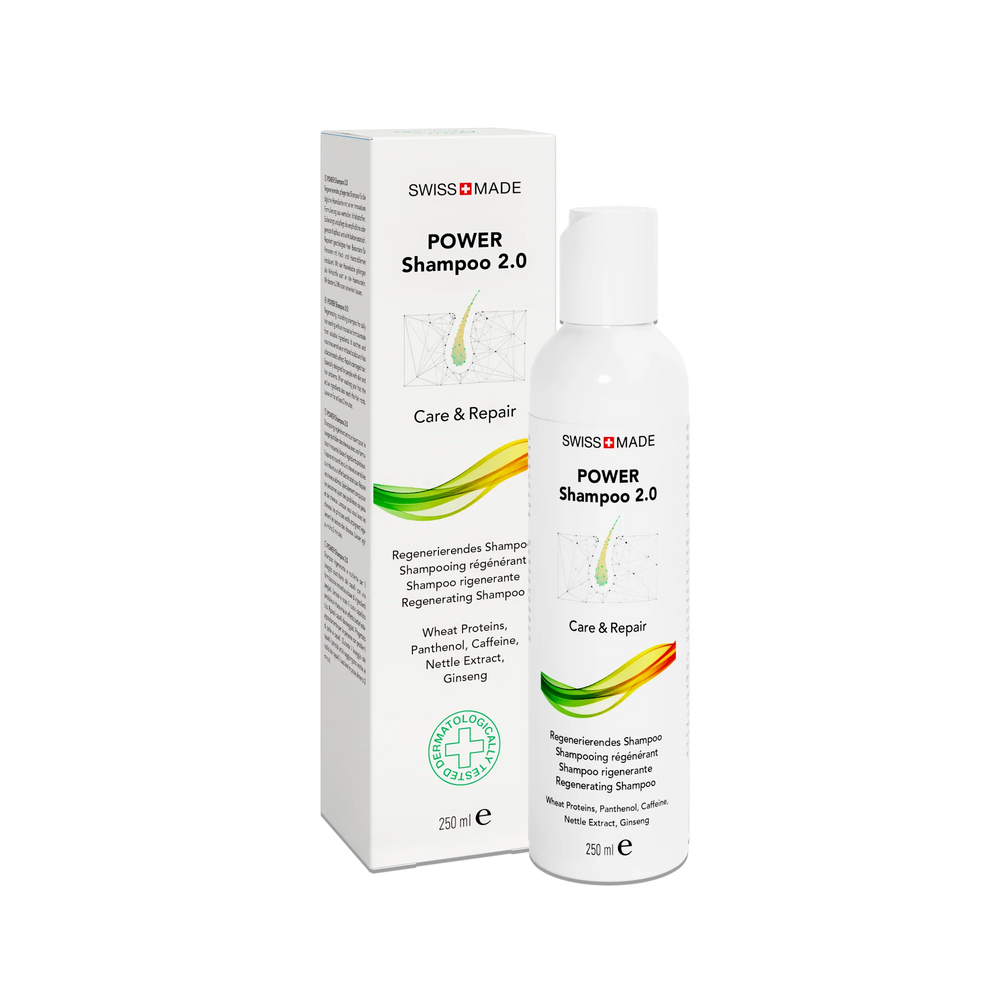
POWER Shampoo 2.0
Gentle cleansing for sensitive scalps and demanding hair.
Learn moreCHF 35.–
Selected hair care, hair and nail capsules and clear information about hair concerns.

Care and support for strong, well-groomed hair – with selected products for scalp, hair and hair root.
New questions about your hair and scalp? Open a post and read about the key connections, practical steps and suitable care ideas.
A calm first step instead of rushing into action
More hair in your brush, when washing or on your pillow can be unsettling. That is why the first sensible step is not to buy as many products as possible at once, but to take a careful look at what is changing. Does the hair loss start suddenly or gradually? Is the hair becoming finer all over your head, is your parting getting wider, or are individual, clearly defined patches appearing? Is there also itching, burning, redness, heavy dandruff or pain on your scalp?
Over a few weeks, note down when you notice the change. Photos of your parting and your hairline in similar light are helpful, as are short notes on fever, infections, stress, weight loss, new medication, diets or hormonal changes. This gives you a more realistic picture, because the amount of hair you lose each day fluctuates and is often hard to judge in the mirror. Clearly defined bald patches, an inflamed or painful scalp, or very sudden, severe hair loss with other symptoms should be checked by a doctor.
A balanced diet with enough protein, regular sleep and rest form a good foundation. Treat your hair as gently as possible: no hard pulling when brushing, no permanently tight hairstyles, as little intense heat as possible, and care with chemical treatments. An irritated or very dry scalp deserves attention too, because good care always begins at the scalp.
The POWER Shampoo 2.0 supports gentle cleansing of scalp and hair. The POWER Lotion 2.0 is applied directly to the scalp and specifically counteracts hair loss. In addition, POWER Caps 2.0 strengthen the hair from within, improve the anchoring of the hair and counteract hair loss. In the POWER 2.0 hair care set, the three steps are designed as one connected routine: cleanse, care for the scalp in a targeted way and support the hair from within.
If you would like to round off your beauty and nutrient routine further, you can also consider NutriVit Premium Kollagen or the NutriVit Booster. These products are not a promise that every cause will be resolved with them. But together with good scalp care, they can be part of a consistent personal routine.
Would you like to know what is behind your hair loss? In the hair check, a few targeted questions help you find out in under 2 minutes which cause is likely behind it – and you receive a matching product recommendation.
That way you don't start with lots of products at once, but with a routine that suits your situation.
What is behind your hair problem?
A few targeted questions, your personal result in under 2 minutes – including the products that fit.
The key factors at a glance
There is no single answer to the question “What helps against hair loss?” that suits everyone. Hereditary hair loss develops differently from temporary hair loss after a fever, severe stress or pregnancy. An irritated scalp, medication, hormonal changes, an unbalanced diet or illnesses can also play a role. That is why meaningful help begins with careful observation.
Pay attention to whether your parting is getting wider, your hairline is receding at the temples, the hair is thinning all over your head or individual bald areas are appearing. Also note when the change began and whether there were any particular strains in the months before. Clearly defined bald patches, pain, burning or a very red scalp should be checked by a doctor.
The aim is not to promise a change overnight, but to build up the routine calmly and regularly. Hair grows slowly. That is why a care routine should be used and observed over several weeks and, if possible, over a longer period.
The POWER 2.0 hair care set combines the most important steps for daily hair care. The POWER Shampoo 2.0 gently cleanses scalp and hair. The POWER Lotion 2.0 is applied directly to the scalp and specifically counteracts hair loss. POWER Caps 2.0 strengthen the hair from within, improve the anchoring of the hair and counteract hair loss.
For a complementary beauty and nutrient routine, NutriVit Premium Kollagen and the NutriVit Booster may be of interest. The products are intended as a supplement. What remains decisive is that the routine is well tolerated, used consistently and suits your own situation.
Good care can make the hair look better cared for, stronger and more resilient, and can support the scalp in its daily care. The POWER Caps strengthen the hair from within and counteract hair loss; the POWER Lotion specifically counteracts hair loss. How pronounced a change turns out to be, however, depends on the cause and on your individual starting point.
What helps you against hair loss depends on the cause. In the hair check, you answer a few targeted questions and find out in under 2 minutes which cause is likely behind it in your case – including a matching product recommendation.
What is behind your hair problem?
A few targeted questions, your personal result in under 2 minutes – including the products that fit.
When the amount of hair changes within a short time
Sudden, diffuse hair loss can occur after physical or emotional strain. Possible triggers include, for example, an infection with fever, an operation, severe stress, significant weight loss, a very unbalanced diet or stopping certain medication. Often the increased shedding does not begin on the day of the event, but only a few weeks or months later. This makes the connection hard for many people to recognise at first.
A thyroid disorder, an insufficient iron supply, hormonal changes, inflammatory scalp conditions or circular bald patches are also possible, and each has different causes. “Sudden” therefore does not automatically mean that the cause is harmless – but nor does it mean that the hair loss has to be permanent. The pattern and the accompanying symptoms are what matter.
Clearly defined bald patches, an inflamed, weeping or painful scalp, and very sudden, severe hair loss with other symptoms should be checked by a doctor. Don't start taking high doses of individual nutrients on your own before the cause has been clarified.
Treat your hair and scalp as gently as possible: cleanse mildly, don't rub hard, avoid tight hairstyles, detangle carefully and reduce intense heat. The POWER Shampoo 2.0 supports gentle cleansing. The POWER Lotion 2.0 is applied directly to the scalp and specifically counteracts hair loss. POWER Caps 2.0 strengthen the hair from within, improve the anchoring of the hair and counteract hair loss.
As a complementary beauty routine, NutriVit Premium Kollagen or the NutriVit Booster may be of interest. With sudden, heavy hair loss, however, it remains important to get to the bottom of the cause. The products of the POWER 2.0 routine can accompany your daily care while you observe how the situation develops.
Photos taken under similar conditions, short notes on new strains and a calm approach to your hair help you to assess the development better. A change in hair density takes time. Once the triggers have been treated or have passed, the situation can settle down again in the case of temporary hair loss.
With sudden hair loss in particular, the trigger is often not obvious at first glance. In the hair check, a few targeted questions help you find out in under 2 minutes which cause is likely behind your hair loss, and you get a matching product recommendation.
What is behind your hair problem?
A few targeted questions, your personal result in under 2 minutes – including the products that fit.
Recognise it early, care for the scalp, build a routine
If your parting is getting wider, the hair on the top of your head looks finer or your ponytail is losing volume, a hereditary-hormonal pattern may be behind it. Hormonal shifts, stress, illnesses, medication or an insufficient supply of nutrients are also possible. After pregnancy and breastfeeding, too, more hair can fall out temporarily. A precise assessment is therefore more helpful than a sweeping statement.
Pay attention to whether the change shows evenly all over your head or whether it is mainly visible at the parting and on the top of your head. A photo every few weeks in similar light can help you judge the progression more realistically. If the hair loss continues or increases, it is worth getting to the bottom of the cause. Clearly defined bald patches or an inflamed, painful scalp should be checked by a doctor.
The phrase “stopping hair loss” sounds like a quick fix. In practice, the first step is to recognise possible triggers and not to put additional strain on the scalp. Enough protein, regular sleep, as little pulling from tight hairstyles as possible and care with heat and chemical treatments are simple but important basics.
With noticeable or persistent hair loss, it is worth taking a close look at the past few months: was there an infection, severe stress, a diet, a birth or a hormonal change? Food supplements should suit your own needs and are no substitute for medical treatment.
The POWER Shampoo 2.0 gently cleanses scalp and hair and supports a well-cared-for base. The POWER Lotion 2.0 is applied directly to the scalp and specifically counteracts hair loss. POWER Caps 2.0 strengthen the hair from within, improve the anchoring of the hair and counteract hair loss. In this way, the routine combines care for the scalp with complementary support from within.
If you would also like to include skin, hair and nails in a beauty routine, you can use NutriVit Premium Kollagen as a supplement. The NutriVit Booster can likewise round off your daily nutrient routine. During pregnancy or breastfeeding, with chronic illnesses or when taking medication at the same time, the use of food supplements should be discussed with a healthcare professional beforehand.
Hair growth is slow. A regular routine can help the hair look well cared for, stronger and more resilient, and it can counteract hair loss. How pronounced the change is, however, depends on the cause, the duration and your personal situation.
Hormones, stress, nutrients or predisposition – in women, several triggers are possible. Answer a few targeted questions in the hair check and find out in under 2 minutes which cause is likely behind it in your case. You also receive a matching product recommendation.
What is behind your hair problem?
A few targeted questions, your personal result in under 2 minutes – including the products that fit.
Understanding typical patterns and acting early
Hereditary hair loss in men, also called androgenetic hair loss, often begins at the temples, at the forehead or at the crown. Over time, the hair in these areas becomes finer and the affected areas become more visible. A family history can be an indication, but it is not a reliable prediction for the individual man. Not every thinning area is automatically hereditary.
Observe whether your hairline is slowly changing and whether your crown is losing density. Photos in similar light can help you spot gradual changes. With bald patches that appear suddenly, a red or painful scalp, severe itching or a rapid deterioration, the pattern does not necessarily fit hereditary hair loss – signs like these should be checked by a doctor.
The earlier a change is recognised, the earlier you can respond to it in a targeted way. A close look also helps you not to overlook other causes such as an inflammatory scalp, deficiencies, medication or a temporary reaction to strain. Good care is valuable – it achieves the most when it fits the actual cause.
Even with hereditary factors, a healthy and well-cared-for scalp remains important. The POWER Shampoo 2.0 cleanses gently. The POWER Lotion 2.0 is applied directly to the scalp and specifically counteracts hair loss. POWER Caps 2.0 strengthen the hair from within, improve the anchoring of the hair and counteract hair loss.
Together, shampoo, lotion and caps make a clear routine: cleanse the scalp, apply the lotion regularly and support the hair from within. If you would like to extend your beauty routine, you can use NutriVit Premium Kollagen or the NutriVit Booster as a supplement. Both are intended to support your personal nutrient routine and not as a substitute for medical treatment.
If you start a new routine, you should use it regularly and in a way you tolerate well, and not judge it after just a few days. Hair structure and hair density change slowly.
A receding hairline, a thinning crown or something else after all? In the hair check, a few targeted questions help you find out in under 2 minutes which cause is likely behind your hair loss, and you receive a product recommendation to match.
What is behind your hair problem?
A few targeted questions, your personal result in under 2 minutes – including the products that fit.
Why more hair often falls out after birth
During pregnancy, more hairs than usual remain in the growth phase. After the birth, hormone levels change, and some of these hairs move into a resting phase with a delay. That is why the hair loss is often only noticed a few weeks or months after the birth and can temporarily seem considerably heavier. This time lag worries many mothers at first.
The change is often temporary, but it should always be seen in the context of your personal situation. Lack of sleep, stress, a difficult birth, heavy blood loss, an unbalanced diet or the thyroid can additionally influence how your hair develops. If the hair falls out in clearly defined patches or the scalp is inflamed, this should be checked by a doctor.
The POWER Shampoo 2.0 supports gentle cleansing. The POWER Lotion 2.0 is applied directly to the scalp and specifically counteracts hair loss. POWER Caps 2.0 strengthen the hair from within, improve the anchoring of the hair and counteract hair loss.
During pregnancy and breastfeeding, food supplements such as POWER Caps 2.0, NutriVit Premium Kollagen or the NutriVit Booster should only be taken after consulting a medical professional. Which nutrients make sense depends on your diet, your blood values and your individual situation. External scalp care can accompany the routine.
If the cause is temporary, the hair cycle can return to normal over time. Observe how things develop and, if needed, document your parting.
Hormonal changes, lack of sleep or nutrients – a lot comes together after a birth. In the hair check, you answer a few targeted questions and find out in under 2 minutes which cause is likely behind your hair loss. You also get a product recommendation that suits your situation.
What is behind your hair problem?
A few targeted questions, your personal result in under 2 minutes – including the products that fit.
When hormones, age and scalp interact
During the menopause, the structure of the hair can change: the hair seems finer, drier or less voluminous, and the growth phases can shift. In some women the parting gets wider; in others it is mainly the overall density that decreases. The decline in certain hormones is one possible factor, but not the only explanation.
In addition, stress, lack of sleep, the thyroid, iron supply, medication or an existing hereditary predisposition can play a role. So observe not only the amount of hair, but also the progression and your scalp. Clearly defined bald patches or a painful, burning scalp should be checked by a doctor. If hair loss increases rapidly or persists for a longer time, it is worth getting to the bottom of the cause.
A regular, well-tolerated routine can make the hair look better cared for and stronger, and can support the scalp in its care. POWER Shampoo 2.0 cleanses gently. POWER Lotion 2.0 is applied directly to the scalp and specifically counteracts hair loss. POWER Caps 2.0 strengthen the hair from within, improve the anchoring of the hair and counteract hair loss.
Together with enough protein, exercise, rest and a gentle approach to heat and pulling, this creates a care routine that works in everyday life. What matters is to use the products regularly and to give your hair time to develop, rather than judging the routine after just a few days.
For a more comprehensive beauty and nutrient routine, NutriVit Premium Kollagen and the NutriVit Booster may be of interest as a supplement. Collagen and a selected vitamin and mineral routine are no substitute for hormone treatment or medical treatment. But together with good scalp care, they can be part of a personal routine.
If your parting is visibly changing or the hair loss is increasing, it helps to tailor your care to the real cause. In the hair check, a few targeted questions help you find out in under 2 minutes which cause is likely behind it in your case, and you receive a matching product recommendation.
What is behind your hair problem?
A few targeted questions, your personal result in under 2 minutes – including the products that fit.
When the hair might be missing important building blocks
Hair loss can have many different causes. However, an unbalanced diet or a prolonged undersupply of certain nutrients can put additional strain on hair growth. Iron, protein, zinc, vitamin B12, folate or vitamin D are frequently mentioned. This does not mean that every thinning area of hair is automatically due to a deficiency. What matters is the progression, your personal situation and, where appropriate, your blood values.
Observe whether the hair loss occurs diffusely all over your head, or whether your parting is getting wider, your hairline is receding or bald patches are appearing. Tiredness, difficulty concentrating, paleness, sensitivity to cold or changes in weight can be additional indications, but they do not prove a deficiency. Stress, hormones, infections, medication and hereditary factors are also possible causes. Clearly defined bald patches, an inflamed scalp or very rapid hair loss with additional symptoms should be checked by a doctor.
With hair loss that persists for a longer time or gets worse, it is worth getting to the bottom of the cause. Whether there really is a deficiency is ultimately shown only by blood values such as iron status, thyroid or other nutrients. High-dose preparations should not simply be taken on suspicion. Too much of individual vitamins or minerals is not automatically better and can even have undesirable effects.
Whatever the cause, a well-cared-for scalp is part of the foundation. The POWER Shampoo 2.0 supports gentle cleansing of scalp and hair. The POWER Lotion 2.0 is applied directly to the scalp and specifically counteracts hair loss. POWER Caps 2.0 strengthen the hair from within, improve the anchoring of the hair and counteract hair loss.
As a supplement to your personal beauty and nutrient routine, NutriVit Premium Kollagen or the NutriVit Booster may be of interest. However, these products are no substitute for a balanced diet, a blood test or any treatment you individually need.
A nutrient deficiency is not behind every case of hair loss. In the hair check, you answer a few targeted questions and find out in under 2 minutes which cause is likely behind your hair problem – with a product recommendation to match.
What is behind your hair problem?
A few targeted questions, your personal result in under 2 minutes – including the products that fit.
Why iron supply can matter in diffuse hair loss
Iron deficiency is often associated with diffuse hair loss. In this case, the hair does not just become sparser in one place, but seems finer all over the head. The parting can appear wider, and you notice more hairs when washing or brushing. However, an iron deficiency is only one possible cause. The thyroid, hormones, stress, infections, medication or a hereditary predisposition can also affect the hair.
Iron supply can be an issue particularly with heavy or long periods, during pregnancy and breastfeeding, after bleeding, with a very unbalanced diet or with problems absorbing nutrients. Tiredness, pale skin, difficulty concentrating, brittle nails or sensitivity to cold can occur, but they are not conclusive. Self-diagnosis based on individual symptoms is therefore not reliable.
Whether there really is an iron deficiency can only be determined through blood values – depending on the situation, the blood count and iron status are looked at. Only then can it be decided whether targeted supplementation is necessary and at what dose. Don't simply take iron in high doses over a longer period. This way you also don't lose sight of the actual cause. Patchy hair loss with clearly defined bald patches should be checked by a doctor.
The POWER Shampoo 2.0 supports the gentle cleansing of scalp and hair. The POWER Lotion 2.0 is applied directly to the scalp and specifically counteracts hair loss. POWER Caps 2.0 strengthen the hair from within, improve the anchoring of the hair and counteract hair loss.
The POWER 2.0 routine can be supplemented with NutriVit Premium Kollagen or the NutriVit Booster if this suits your personal situation. However, food supplements are no substitute for targeted treatment of a proven iron deficiency.
The hair cycle does not respond overnight. Even once the cause has been identified and treated, it can take time for hair density to change visibly. Document the progression and care for your scalp regularly.
Iron is only one of several possible triggers. In the hair check, a few targeted questions help you find out in under 2 minutes which cause is likely behind your thinning hair, and you receive a matching product recommendation.
What is behind your hair problem?
A few targeted questions, your personal result in under 2 minutes – including the products that fit.
Hormonal changes can influence the hair cycle
After you stop taking the pill, your hormonal situation changes. Your body re-establishes its own hormone regulation, and the hair cycle can respond to this adjustment with a delay. In some women, the hair temporarily becomes thinner or more hair falls out diffusely. The change does not necessarily show up straight away, but may only become noticeable a few weeks or months later.
Your original predisposition can also become more visible again. If the pill previously toned down hormone-related blemishes or a sensitive hair condition, your skin and hair may develop differently once you stop taking it. This is not the same for every woman and does not automatically mean that the hair loss will be permanent. Stress, weight loss, iron deficiency, the thyroid, pregnancy or other medication can also play a part.
Take photos of your parting, hairline and crown in similar light, and note when you stopped taking the pill and when the hair loss began. Pay attention to whether the hair is becoming thinner all over your head, whether your parting is getting wider or whether individual bald patches are forming. In the case of rapid hair loss, marked changes in your cycle, acne, pronounced tiredness or other new symptoms, it is worth looking more closely into the cause. Clearly defined bald patches or an inflamed scalp should be checked by a doctor.
The POWER Shampoo 2.0 supports gentle cleansing. The POWER Lotion 2.0 is applied to the scalp and specifically counteracts hair loss. POWER Caps 2.0 strengthen the hair from within, improve the anchoring of the hair and counteract hair loss. In this way, the routine combines scalp care with complementary support from within.
NutriVit Premium Kollagen can complement your beauty routine; the NutriVit Booster can round off your daily nutrient routine. If you are planning a pregnancy, are pregnant or are breastfeeding, taking food supplements should be discussed with a healthcare professional beforehand.
After stopping the pill, the hormonal adjustment is an obvious explanation, but not always the only one. With the hair check, a few targeted questions help you find out in under 2 minutes which cause is likely to be behind your hair loss.
At the end, you receive a product recommendation that suits your situation. That way, you know where to start with your care routine.
What is behind your hair problem?
A few targeted questions, your personal result in under 2 minutes – including the products that fit.
When the lengths become rough, dull and hard to comb
Straw-like hair feels rough, loses its shine and is often difficult to detangle. Frequently, the outer cuticle layers of the hair fibre are roughened or the lengths have lost moisture and lipids. Triggers can include frequent colouring or bleaching, hot hairdryers and straighteners, sun, chlorinated water, dry heated air, friction or very frequent washing. Fine, naturally curly or already damaged hair also reacts particularly sensitively.
The scalp and the lengths of your hair do not necessarily need the same thing. The scalp should be kept clean and cared for with products it tolerates well, while the lengths should be exposed to as little friction and heat as possible. A “straw-like” feel can also be made worse by hair breakage. So check whether you can see lots of short, broken hairs.
A regular trim removes ends that have already split. No product can make a split hair fibre permanently grow back together. However, care can make the hair appear smoother, improve combability and reduce new strain.
The POWER Shampoo 2.0 supports gentle cleansing and a well-cared-for scalp. The POWER Lotion 2.0 is applied directly to the scalp and specifically counteracts hair loss. POWER Caps 2.0 strengthen the hair from within, improve the anchoring of the hair and counteract hair loss. The products support a complete routine, while the mechanical strain on the lengths is reduced.
For a complementary beauty routine, NutriVit Premium Kollagen may be of interest. With straw-like lengths, however, what also remains crucial is gentle treatment on the outside, regular care and a realistic approach to ends that are already damaged.
If your hair becomes very dry or brittle without any recognisable external strain, or if noticeably more hair is falling out at the same time, there is often more behind it than hair damage alone. In the hair check, you answer a few targeted questions and find out in under 2 minutes which cause is likely to be behind your hair problem.
You also get a product recommendation that suits your hair and your scalp.
What is behind your hair problem?
A few targeted questions, your personal result in under 2 minutes – including the products that fit.
Recognising the causes and protecting the hair fibre gently
Extremely dry hair looks dull, rough and brittle. It becomes statically charged more easily, tangles more quickly and is more likely to break under strain. Common reasons are bleaching, frequent colouring, hot tools, harsh cleansing, very hot water or dry air. Long hair, curls and fine hair textures also lose moisture more quickly because the natural protective substances do not reach the ends evenly.
Distinguish whether it is mainly the lengths that are dry or whether your scalp also feels tight, itches or flakes. A dry scalp needs different care from dry, chemically stressed ends. If the texture changes very suddenly or severe hair loss occurs as well, it is worth getting to the bottom of the cause. Weeping patches or severe burning on the scalp should be checked by a doctor.
A product can make the surface temporarily smoother and more supple. However, hair fibres that are already severely damaged cannot be fully repaired. A consistent, gentle routine therefore makes more sense than frequent, drastic changes.
The POWER Shampoo 2.0 supports gentle cleansing of scalp and hair. The POWER Lotion 2.0 is used directly on the scalp and specifically counteracts hair loss. POWER Caps 2.0 strengthen the hair from within, improve the anchoring of the hair and counteract hair loss.
If you would like to complement your beauty routine, you can include NutriVit Premium Kollagen or the NutriVit Booster. Food supplements do not replace a balanced diet and do not repair a hair fibre damaged by heat or chemicals. Together with good care, however, they can be part of a long-term routine.
The right care depends on whether the cause is dry lengths, an irritated scalp or some other strain. Take the hair check now: with a few targeted questions, you find out in under 2 minutes which cause is likely to be behind your hair or scalp problem.
Afterwards, you receive a suitable product recommendation for your routine.
What is behind your hair problem?
A few targeted questions, your personal result in under 2 minutes – including the products that fit.
Why split ends cannot be repaired permanently
With split ends, the hair fibre splits at the tip. The ends feel rough, get caught more easily and often look lighter or frayed. Common triggers are friction, heat, bleaching, colouring, frequent brushing, tight hairstyles and going a long time without a trim. The longer a split end is left unattended, the further the split can travel up into the lengths.
A realistic expectation is important: care products can temporarily smooth the surface and improve combability, but a hair fibre that has already split does not grow back together. The reliable way to remove existing split ends is a small, regular trim.
The scalp should not be forgotten either. Well-cared-for roots, gentle cleansing and as little pulling from tight hairstyles as possible form the basis for the entire length of the hair.
The POWER Shampoo 2.0 supports the gentle cleansing of scalp and hair. The POWER Lotion 2.0 is applied directly to the scalp and specifically counteracts hair loss. POWER Caps 2.0 strengthen the hair from within, improve the anchoring of the hair and counteract hair loss.
In addition, NutriVit Premium Kollagen can be part of a personal beauty routine. With split ends, however, what matters most is treating the lengths gently. The POWER products support scalp and hair care; they do not replace trimming hair that has already split.
If your hair suddenly becomes very brittle despite gentle care, your scalp is causing problems or noticeably more hair is falling out at the same time, split ends may be only part of the picture. The hair check helps you to better distinguish external damage from other possible causes: in under 2 minutes, a few targeted questions tell you which cause is likely to be behind it in your case.
Finally, you get a product recommendation that matches your result.
What is behind your hair problem?
A few targeted questions, your personal result in under 2 minutes – including the products that fit.
Short hairs, frizz or lengths that have really broken off?
Short hairs on the top of your head can be new hairs growing back. But they can also be caused by hair breakage. Regrowth usually varies in length, has a natural tapered tip and slowly catches up with the rest of your hair. Broken hairs often have a blunt or frayed tip, feel rough and appear in larger numbers in an area that is under strain.
On the top of the head, heat, sun, colouring, bleaching, tight hairstyles, friction and frequent straightening have a particularly strong effect. A parting that always sits in the same place can also make the short hairs more visible. Observe whether the breakage only occurs on the surface or whether the density at your hairline is decreasing at the same time.
Not every change on the top of the head is pure hair breakage. Pain, marked redness or clearly defined bald patches should be checked by a doctor.
The POWER Shampoo 2.0 supports gentle cleansing. The POWER Lotion 2.0 is applied directly to the scalp and specifically counteracts hair loss. POWER Caps 2.0 strengthen the hair from within, improve the anchoring of the hair and counteract hair loss.
This cares for the scalp and supports the hair from within. NutriVit Premium Kollagen can complement your beauty routine. For less hair breakage, however, what also remains crucial is less pulling, less heat and careful treatment of the lengths.
Take photos of the top of your head in similar light and do not compare the pictures every day. Hair growth is slow.
If the density on the top of your head is visibly decreasing or the hair loss is increasing, it is worth getting to the bottom of the cause. In the hair check, a few targeted questions help you find out in under 2 minutes which cause is likely to be behind the short hairs and the hair loss.
You also receive a product recommendation that suits your situation.
What is behind your hair problem?
A few targeted questions, your personal result in under 2 minutes – including the products that fit.
Recognising possible triggers and soothing the scalp
Itching can be triggered by dry skin, frequent washing, hot water, dandruff, sweat, styling residue or an intolerance. Skin conditions such as seborrhoeic dermatitis, atopic eczema, psoriasis or a contact reaction to hair dye and care products are also possible. That is why it matters when the itching starts and whether flakes, redness, burning, weeping patches or hair loss occur as well.
Scratching brings brief relief, but can injure the skin further. Small scratch marks make irritation and inflammation more likely. With a new product or a new hair dye, you should watch carefully whether the symptoms are linked to it in time.
An itchy scalp that persists over a longer period should not simply be ignored. Swelling, weeping patches, pain or bald patches that appear suddenly should be checked by a doctor.
The POWER Shampoo 2.0 is intended for gentle cleansing of scalp and hair. New products should first of all be well tolerated; if your scalp is acutely irritated, you should stop using them and let your scalp settle first. The POWER Lotion 2.0 is intended for targeted scalp care and specifically counteracts hair loss, but should not be applied to a scalp that is burning severely or injured.
POWER Caps 2.0 strengthen the hair from within, improve the anchoring of the hair and counteract hair loss. NutriVit Premium Kollagen or the NutriVit Booster can complement a beauty and nutrient routine, but do not remedy the trigger of an itchy scalp.
Note when the itching occurs and which products, colourings or strains came before it. This makes it easier to find the trigger and achieves more than constantly switching products.
If the symptoms persist or keep coming back, it helps to narrow down the cause. Take the hair check now: in under 2 minutes, a few targeted questions help you find out which cause is likely to be behind your scalp problem.
Afterwards, you get a product recommendation that suits your scalp.
What is behind your hair problem?
A few targeted questions, your personal result in under 2 minutes – including the products that fit.
When small white flakes and a feeling of tightness appear
Small, white, rather dry flakes can form when the scalp loses moisture or is irritated. Heated indoor air, very hot water, frequent washing, harsh products, cold weather or intense blow-drying can put strain on the natural protective barrier. The scalp then often feels tight and itches slightly.
However, not all flakes look the same. Larger, yellowish, sticky flakes or a reddened, oily scalp can point to a different cause. So the same applies to dry flakes: if the symptoms persist, get worse or hair loss occurs as well, it is worth getting to the bottom of the cause. A weeping, painful or severely inflamed scalp should be checked by a doctor.
Regular, gentle cleansing is usually more helpful than infrequent, very vigorous washing. Let your scalp dry well after washing and observe whether the flakes change with the routine.
The POWER Shampoo 2.0 supports gentle cleansing of scalp and hair. The POWER Lotion 2.0 is applied directly to the scalp and specifically counteracts hair loss. If your scalp is dry but not acutely irritated, it can be part of a regular routine; in the case of burning or open areas, tolerability should be clarified first.
POWER Caps 2.0 strengthen the hair from within, improve the anchoring of the hair and counteract hair loss. NutriVit Premium Kollagen or the NutriVit Booster can additionally be part of a personal beauty routine. They do not replace treatment of an inflammatory scalp condition.
A dry scalp, oily dandruff or an irritated skin barrier each need different care. In the hair check, you answer a few targeted questions and find out in under 2 minutes which cause is likely to be behind your dandruff.
You also receive a product recommendation that suits your scalp.
What is behind your hair problem?
A few targeted questions, your personal result in under 2 minutes – including the products that fit.
When the scalp quickly gets oily again and forms yellowish flakes
Oily flakes often look larger, yellowish or sticky and cling more firmly to the scalp. Itching, redness and oily roots may occur as well. A common cause is a seborrhoeic scalp, in which sebum, the skin barrier and the natural microflora interact. Unsuitable styling products, infrequent washing, stress or hormonal changes can also make the situation worse.
Oily dandruff is not simply a hygiene problem. Washing too vigorously, heavy scratching or harsh alcohol-based and home remedies can irritate the scalp further. If the flakes are thick or keep coming back, it is worth getting to the bottom of the cause. Severe inflammation, bald patches or symptoms that also affect the eyebrows and face should be checked by a doctor.
In the case of more severe seborrhoeic dermatitis, special medicated shampoos may be necessary. A cosmetic care product can provide support, but does not replace targeted treatment.
The POWER Shampoo 2.0 supports the gentle cleansing of scalp and hair. The POWER Lotion 2.0 is intended for targeted care of the scalp and specifically counteracts hair loss. If your scalp is clearly reddened or inflamed, tolerability should be clarified first.
POWER Caps 2.0 strengthen the hair from within, improve the anchoring of the hair and counteract hair loss. NutriVit Premium Kollagen and the NutriVit Booster can complement your personal beauty and nutrient routine. They are not intended as a treatment for oily dandruff.
A well-cared-for scalp is important, but it is the cause that determines which care makes sense. If increasing hair loss occurs alongside the oily dandruff, the hair check helps you find out in under 2 minutes, with a few targeted questions, which cause is likely to be behind it in your case.
At the end, there is a product recommendation that suits your scalp and your hair.
What is behind your hair problem?
A few targeted questions, your personal result in under 2 minutes – including the products that fit.
A reaction to hair dye should be taken seriously
A slight feeling of warmth during colouring can occur. Burning, severe stinging, increasing itching, redness, swelling or pain, however, are warning signs. Irritation can be caused by leaving the dye on for too long, by injured skin, a high concentration or unsuitable application. A contact allergy to an ingredient in the hair dye is also possible. The reaction can still intensify after rinsing.
If you feel distinct burning, rinse the dye out immediately and thoroughly with plenty of lukewarm water and, for the time being, do not use any further dye or irritating care products. Scratching, hot blow-drying and harsh home remedies can put additional strain on the skin. In the case of swelling, blisters, weeping patches, severe pain, breathing or circulatory problems, or a rapidly worsening reaction, immediate medical help is necessary.
With repeated reactions, an intolerance to an ingredient is often behind it; it is then worth getting to the bottom of the cause and looking into alternatives. A small test before colouring makes sense, but does not protect against a reaction in every case.
The POWER Shampoo 2.0 can support gentle cleansing after an acute reaction, provided it is well tolerated. The POWER Lotion 2.0 specifically counteracts hair loss, but should not be applied to a burning or injured scalp without clarifying tolerability. POWER Caps 2.0 strengthen the hair from within, improve the anchoring of the hair and counteract hair loss.
NutriVit Premium Kollagen or the NutriVit Booster can complement your beauty and nutrient routine later on. They do not treat an acute reaction to hair dye.
A burning scalp after colouring should not simply be covered up. Only once your scalp is calm and intact again should a new care routine be introduced, carefully and one product at a time.
Then the hair check will help you further: in under 2 minutes, a few targeted questions help you find out which cause is likely to be behind your hair or scalp problem, and you get a suitable product recommendation.
What is behind your hair problem?
A few targeted questions, your personal result in under 2 minutes – including the products that fit.
Recognising possible causes and observing the scalp properly
Red patches on the scalp can have very different causes. Short-lived redness can appear after scratching, vigorous rubbing, hot blow-drying, a new care product or a hair dye. But dry or irritated skin, seborrhoeic dermatitis, psoriasis, an inflammation of the hair roots or a contact reaction are also possible. That is why it is important to look not only at the colour of the patch, but also at accompanying signs and how it develops over time.
Pay attention to whether the patches itch, burn, weep or hurt, or whether they come with flakes, crusts, pustules or hair loss. Clearly defined red, scaly areas with less hair should be taken particularly seriously. And if the redness develops after colouring your hair or using a new product, the possible trigger should not be used again until the skin has calmed down.
Signs like these should be checked by a doctor – immediately in the case of facial swelling, breathing problems or a rapidly worsening allergic reaction. A red scalp should not simply be covered up with one new product after another.
Wash with lukewarm water, do not rub hard, and rinse out care and styling products thoroughly. POWER Shampoo 2.0 supports gentle cleansing of the scalp and hair, provided it is well tolerated. POWER Lotion 2.0 specifically counteracts hair loss, but should not be applied to an acutely burning, injured or weeping scalp before it is clear that it is tolerated.
POWER Caps 2.0 strengthen the hair from within, improve the anchoring of the hair and counteract hair loss. NutriVit Premium Kollagen or the NutriVit Booster can later complement a personal beauty and nutrient routine. However, they do not treat an inflamed scalp.
Photograph the area in similar light and note down new products, hair dyes or other triggers. That way you can keep an eye on how things develop.
If hair loss comes on top of the irritated scalp, it is worth getting to the bottom of the cause. In the hair check, a few targeted questions help you find out in under 2 minutes which cause is likely behind your hair problem, and you receive a matching product recommendation.
What is behind your hair problem?
A few targeted questions, your personal result in under 2 minutes – including the products that fit.
When the parting gets wider and hair density decreases
Many people first notice that their ponytail has less volume, their parting is getting wider or their scalp is more visible in the light. Sometimes hair density really is decreasing; sometimes the lengths are breaking off, or the hair fibre is becoming finer through colouring, heat and friction. A combination is possible too. That is why it is worth observing the roots, the parting and the lengths separately.
Diffuse thinning can occur after stress, an infection, weight loss, hormonal changes or an inadequate supply of nutrients. A slow decline at the parting or in certain areas, on the other hand, can fit a hereditary pattern. Sudden bald patches, a red or painful scalp and heavy dandruff point more towards a different cause and should be checked by a doctor.
Photograph your parting and crown every few weeks in similar light. Note when the change began and whether, in the months before, there was an illness, a particularly large amount of stress, a diet, a birth, new medication or a hormonal change. If hair loss persists or increases, it is worth getting to the bottom of the cause.
POWER Shampoo 2.0 supports gentle cleansing and a well-cared-for scalp. POWER Lotion 2.0 is applied directly to the scalp and specifically counteracts hair loss. POWER Caps 2.0 strengthen the hair from within, improve the anchoring of the hair and counteract hair loss.
If you would like to extend your beauty routine, you can use NutriVit Premium Kollagen or the NutriVit Booster as a supplement. The products are intended as support for your daily routine.
The hair cycle is slow. Consistent care can help hair and scalp look well cared for, stronger and more resilient. How much hair density changes, however, depends on the cause.
Not sure why your hair is getting thinner? In the hair check, a few targeted questions help you find out in under 2 minutes which cause is likely behind it, and you receive a matching product recommendation.
What is behind your hair problem?
A few targeted questions, your personal result in under 2 minutes – including the products that fit.
What a receding hairline can mean
A receding hairline at the temples refers to the indentations on either side of the hairline above the temples. In men, they are often part of a hereditary pattern: the hairline slowly recedes and the hair in the affected areas becomes finer. In women, a similar picture can arise from genetic predisposition, hormonal changes or repeated tension from tight hairstyles. A receding hairline therefore cannot automatically be judged in the same way for everyone.
Pay attention to whether the change appears slowly and on both sides, or whether it is sudden, patchy or accompanied by redness, itching and pain. If the eyebrows are also getting thinner or the skin at the hairline looks inflamed, this should be checked by a doctor.
What matters is whether it is more likely to be hereditary hair loss, hair breakage, strain from tension or an inflammatory cause. The earlier a progressive pattern is recognised, the better further care can be planned.
POWER Shampoo 2.0 supports gentle cleansing. POWER Lotion 2.0 is applied directly to the scalp and specifically counteracts hair loss. POWER Caps 2.0 strengthen the hair from within, improve the anchoring of the hair and counteract hair loss.
The POWER 2.0 hair care set combines cleansing, scalp care and support from within. NutriVit Premium Kollagen or the NutriVit Booster can complement your personal beauty and nutrient routine. In the case of very advanced hereditary hair loss, a hair transplant can also be an option; the POWER products can be used before and after it to care for and strengthen the hair.
If the hair loss increases rapidly, bald patches appear or the scalp is causing discomfort, you should not simply assume it is a receding hairline.
Whether predisposition, hormones or tension from tight hairstyles: in the hair check, a few targeted questions help you find out in under 2 minutes which cause is likely behind your receding hairline, and you receive a matching product recommendation.
What is behind your hair problem?
A few targeted questions, your personal result in under 2 minutes – including the products that fit.
When the scalp becomes more visible on top of the head
At the crown, several natural directions of hair growth meet. As a result, the scalp may always have been slightly visible in certain lighting conditions. However, if the area newly looks noticeably thinner, gets larger or the hair around it becomes finer, a decrease in hair density may be behind it. In men, the crown is a typical area for hereditary hair loss; in women, a widening parting on the top of the head can likewise have various causes.
The crown can also be particularly noticeable with diffuse hair loss after stress, infections, weight loss, hormonal changes or nutrient problems. Redness, flakes, pain, itching or clearly defined bald patches do not simply fit a normal crown and should be checked by a doctor.
Photograph the crown from above in similar light, if possible with the same hair length and a similar hairstyle. Wet hair, strong light and a different parting can temporarily change the impression. Compare the pictures at intervals of several weeks, not daily.
POWER Shampoo 2.0 supports gentle cleansing. POWER Lotion 2.0 is applied directly to the scalp on the top of the head and specifically counteracts hair loss. POWER Caps 2.0 strengthen the hair from within, improve the anchoring of the hair and counteract hair loss.
As a complementary beauty and nutrient routine, NutriVit Premium Kollagen or the NutriVit Booster may be of interest. They support a personal routine.
The more precisely the pattern is known, the more specifically care and further steps can be planned. In the hair check, a few targeted questions help you find out in under 2 minutes which cause is likely behind your thinning crown, and you receive a matching product recommendation.
What is behind your hair problem?
A few targeted questions, your personal result in under 2 minutes – including the products that fit.
When the ponytail gets thinner and the hair looks limp
When hair loses volume, the individual hair fibre may have become finer, overall density may be decreasing, or the lengths have become shorter through hair breakage. Greasy roots, dry or damaged ends and heavy styling products also make hair look flatter. So the impression in the mirror does not always tell you something about the number of hairs on its own.
Observe your parting, hairline, crown and ends separately. Is the parting getting wider? Is more hair falling out when you wash it? Are lots of short, broken hairs visible? Is there itching, dandruff or red areas? These clues help to distinguish between lower density, hair breakage and a care problem.
A haircut or styling can create more fullness in the short term. If the loss of volume is new, is increasing or goes hand in hand with actual hair loss, it is worth getting to the bottom of possible causes such as hormones, iron supply, the thyroid, stress or hereditary hair loss.
POWER Shampoo 2.0 supports gentle cleansing of the scalp and hair. POWER Lotion 2.0 is applied directly to the scalp and specifically counteracts hair loss. POWER Caps 2.0 strengthen the hair from within, improve the anchoring of the hair and counteract hair loss.
The POWER 2.0 hair care set combines the three steps in one fixed routine. NutriVit Premium Kollagen or the NutriVit Booster can be used to complement your personal beauty and nutrient routine.
Well-cared-for hair can look stronger, more resilient and fuller. If density really is decreasing, clarifying the cause and any change take time. Sudden heavy or patchy hair loss should be checked by a doctor.
Finer hair fibre, lower density or hair breakage: in the hair check, a few targeted questions help you find out in under 2 minutes which cause is likely behind your loss of volume, and you receive a matching product recommendation.
What is behind your hair problem?
A few targeted questions, your personal result in under 2 minutes – including the products that fit.
When dry hair occurs together with other changes
Dry, dull or brittle hair is often caused by colouring, bleaching, heat, dry air, friction or unsuitable care. However, if your hair newly becomes dry without a clear external explanation and at the same time gets thinner or falls out, the thyroid may also play a role. An underactive thyroid in particular can be accompanied by dry skin, dry hair, tiredness, sensitivity to cold, constipation, concentration problems or changes in weight. These symptoms are not conclusive, though.
A dry hair structure alone does not prove a thyroid disorder. Iron deficiency, hormonal changes, stress, medication or a damaged hair fibre are also possible causes.
If a thyroid disorder is already known, medication should not be stopped, increased or reduced on your own initiative. Questions about medication, as well as signs such as pronounced tiredness, strong sensitivity to cold or changes in weight, should be checked by a doctor. Hair also responds with a delay, so patience is needed when a cause is being treated.
POWER Shampoo 2.0 supports the gentle cleansing of scalp and hair. POWER Lotion 2.0 is applied directly to the scalp and specifically counteracts hair loss. POWER Caps 2.0 strengthen the hair from within, improve the anchoring of the hair and counteract hair loss.
As a complementary beauty and nutrient routine, NutriVit Premium Kollagen or the NutriVit Booster may be of interest. They do not replace thyroid treatment.
You can gently continue your hair care at any time. If your hair is dry and at the same time getting thinner or falling out, a few targeted questions in the hair check help you find out in under 2 minutes which cause is likely behind it, and you receive a matching product recommendation.
What is behind your hair problem?
A few targeted questions, your personal result in under 2 minutes – including the products that fit.
Why strains often show in the hair with a delay
Severe physical or emotional stress can contribute to more hairs than usual shifting into a resting phase. The increased shedding then often does not become visible straight away during the stressful period, but only weeks or months later. Triggers can be ongoing overload, lack of sleep, a serious illness, fever, an operation, a strict diet or a major emotional upheaval.
But stress is not automatically the only cause. Iron deficiency, the thyroid, hormones, medication, infections and hereditary hair loss can look similar or occur at the same time. If the hair loss is patchy or accompanied by marked scalp complaints, this should be checked by a doctor.
Easing the strain can help the whole body, but the hair cycle needs time. More hair in the brush a few days after a stressful phase does not automatically mean that the situation will stay that way permanently.
POWER Shampoo 2.0 supports gentle cleansing. POWER Lotion 2.0 is applied directly to the scalp and specifically counteracts hair loss. POWER Caps 2.0 strengthen the hair from within, improve the anchoring of the hair and counteract hair loss.
NutriVit Premium Kollagen or the NutriVit Booster can complement a personal beauty and nutrient routine. They do not replace rest or a balanced diet.
Photos in similar light and a short note on stress, sleep, illnesses and diet help to put the situation into context.
If the hair loss does not settle down over a longer period, it is worth getting to the bottom of the cause. In the hair check, a few targeted questions help you find out in under 2 minutes whether stress or another cause is likely behind your hair loss, and you receive a matching product recommendation.
What is behind your hair problem?
A few targeted questions, your personal result in under 2 minutes – including the products that fit.
What hair, nails and scalp can show about nutrient supply
Hair grows slowly and needs, among other things, protein as well as various vitamins and minerals. With a prolonged undersupply, hair can look finer, drier, more brittle or duller; increased diffuse hair loss is also possible. Depending on your personal situation, those mentioned include iron, zinc, vitamin B12, folate, vitamin D and protein. However, individual hair symptoms do not prove a specific deficiency.
Similar changes can be caused by hormones, the thyroid, stress, infections, medication, colouring, heat or hereditary factors. Taking too much of individual nutrients is not automatically a good idea either. That is why food supplements should not be chosen simply after a glance at your hair.
With persistent hair loss or marked changes in hair structure, it is worth getting to the bottom of the cause. Diet, blood loss, menstrual periods, pregnancy, illnesses, medication and changes in weight all play a role here. Only blood values show whether there really is a deficiency.
POWER Shampoo 2.0 supports gentle cleansing. POWER Lotion 2.0 is applied directly to the scalp and specifically counteracts hair loss. POWER Caps 2.0 strengthen the hair from within, improve the anchoring of the hair and counteract hair loss.
NutriVit Premium Kollagen or the NutriVit Booster can complement a personal beauty and nutrient routine. They are no substitute for a balanced diet, a blood test or the targeted treatment of a diagnosed deficiency.
Even when a deficiency is identified and treated, the hair structure does not change straight away. The hair cycle needs time. Document the progress. Patchy hair loss should be checked by a doctor.
Nutrients, hormones, stress or predisposition? In the hair check, a few targeted questions help you find out in under 2 minutes which cause is likely behind your hair symptoms, and you receive a matching product recommendation.
What is behind your hair problem?
A few targeted questions, your personal result in under 2 minutes – including the products that fit.
When hair density slowly changes over the years
With increasing age, growth phases, hair thickness and hair density can change. In hereditary hair loss, certain hair roots react more sensitively to hormonal influences. The hair in the affected areas gradually becomes finer and grows shorter. In men, a receding hairline at the temples, a receding hairline in general or a thinning crown are common. In women, it is mainly the parting on the top of the head that can become wider.
A family predisposition is a clue, but not every change with age is hereditary. The thyroid, iron supply, medication, hormonal changes, stress, illnesses and scalp inflammation can also affect hair density. Sudden bald patches, red patches, pain or heavy dandruff do not simply fit a slowly progressing hereditary pattern and should be checked by a doctor.
Photograph your parting, hairline and crown regularly in similar light. That way you can see whether a hereditary pattern is emerging. Especially with rapid progression or additional complaints, the cause should not be put down to age alone.
POWER Shampoo 2.0 supports the gentle cleansing of scalp and hair. POWER Lotion 2.0 is applied directly to the scalp and specifically counteracts hair loss. POWER Caps 2.0 strengthen the hair from within, improve the anchoring of the hair and counteract hair loss.
The POWER 2.0 hair care set combines the three steps in one clear routine. NutriVit Premium Kollagen or the NutriVit Booster can be used to complement your personal beauty and nutrient routine.
Consistent care can make hair and scalp look better cared for, stronger and more resilient. How much hair density changes depends on the cause and your individual situation.
Hereditary, or something else after all? In the hair check, a few targeted questions help you find out in under 2 minutes which cause is likely behind your hair loss, and you receive a matching product recommendation.
What is behind your hair problem?
A few targeted questions, your personal result in under 2 minutes – including the products that fit.
Six coordinated products for scalp, lengths and hair care from within.
Gentle cleansing for sensitive scalps and demanding hair.
Learn moreCHF 35.–
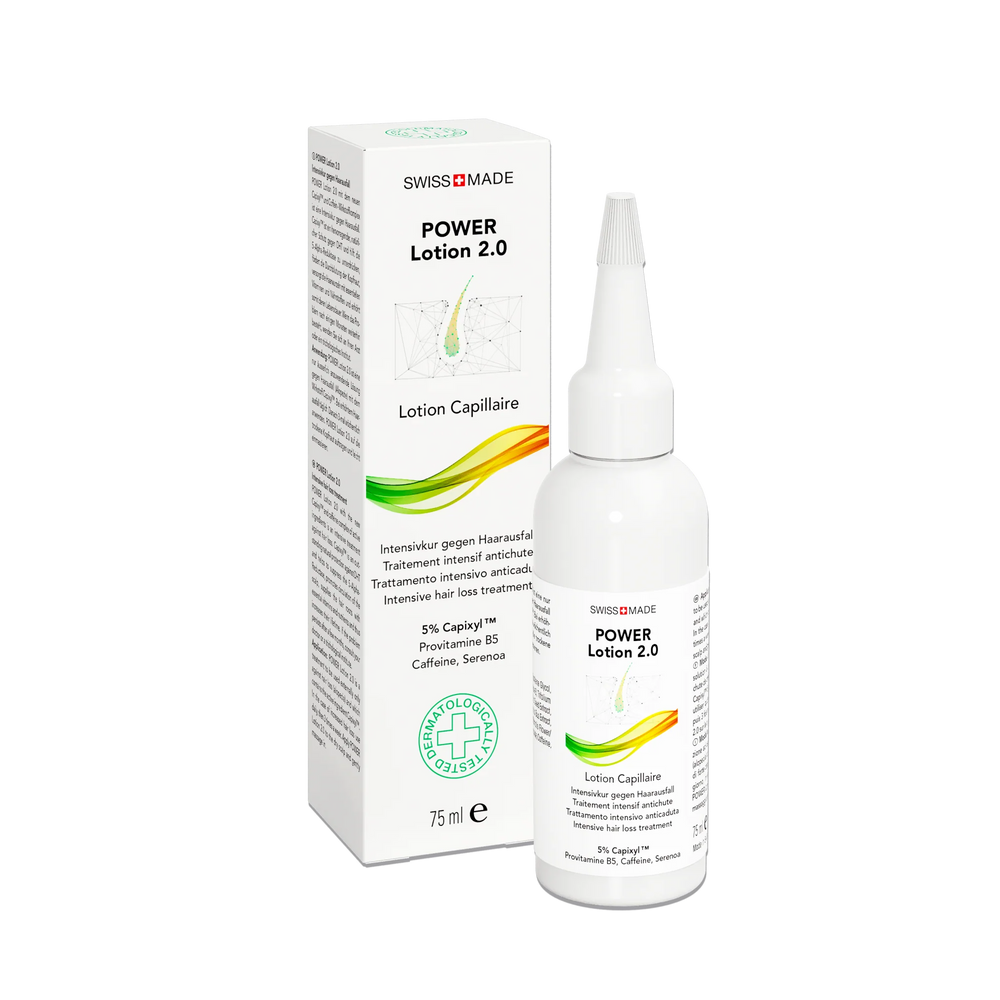
Helps counter hair loss and strengthens and fortifies the hair roots directly at the scalp with 5% Capixyl™ against thinning hair.
Learn moreCHF 49.–
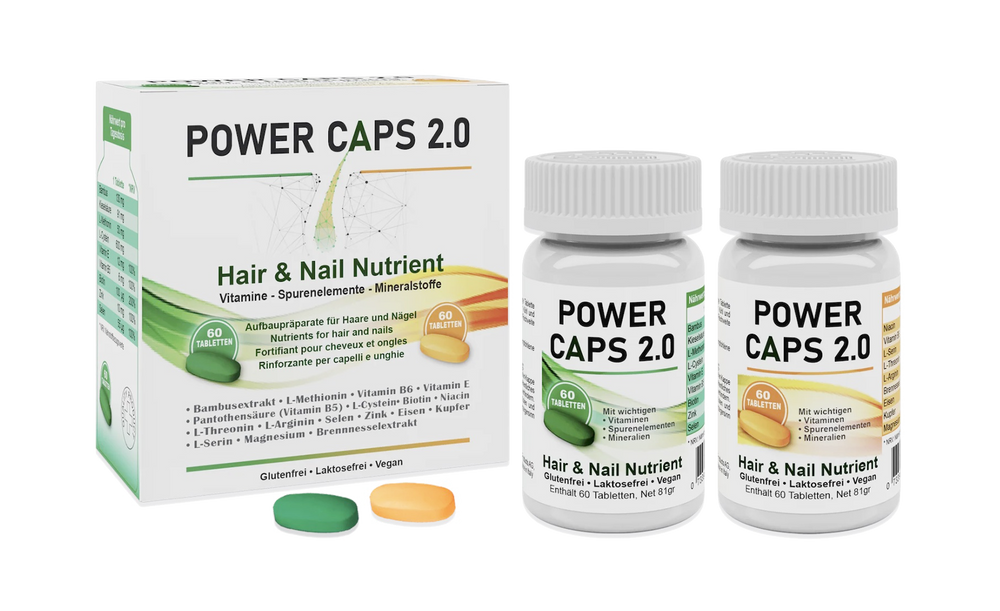
Helps counter hair loss and strengthens and fortifies hair and hair roots from within with amino acids, vitamins, minerals and silicon. 2-month pack.
Learn moreCHF 69.–
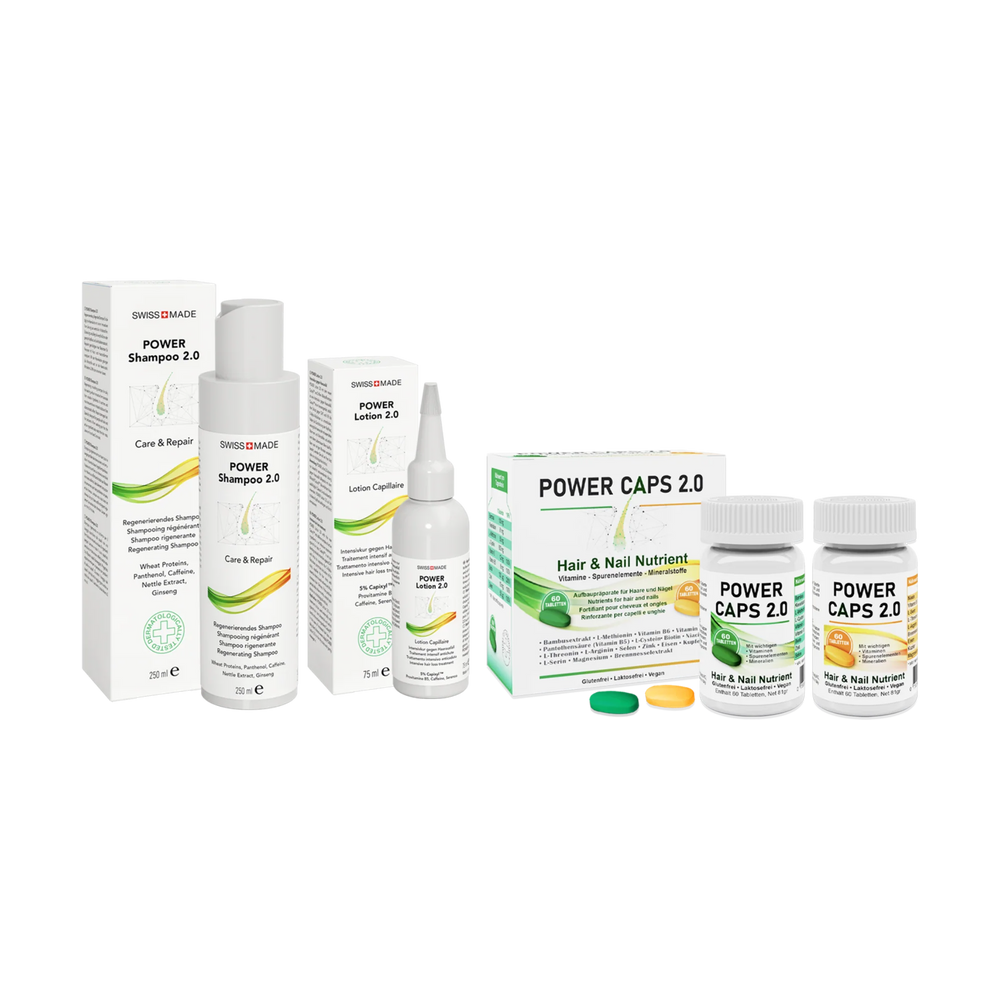
The complete routine for scalp, hair care and care from within. Bundle price.
Learn moreCHF 137.70
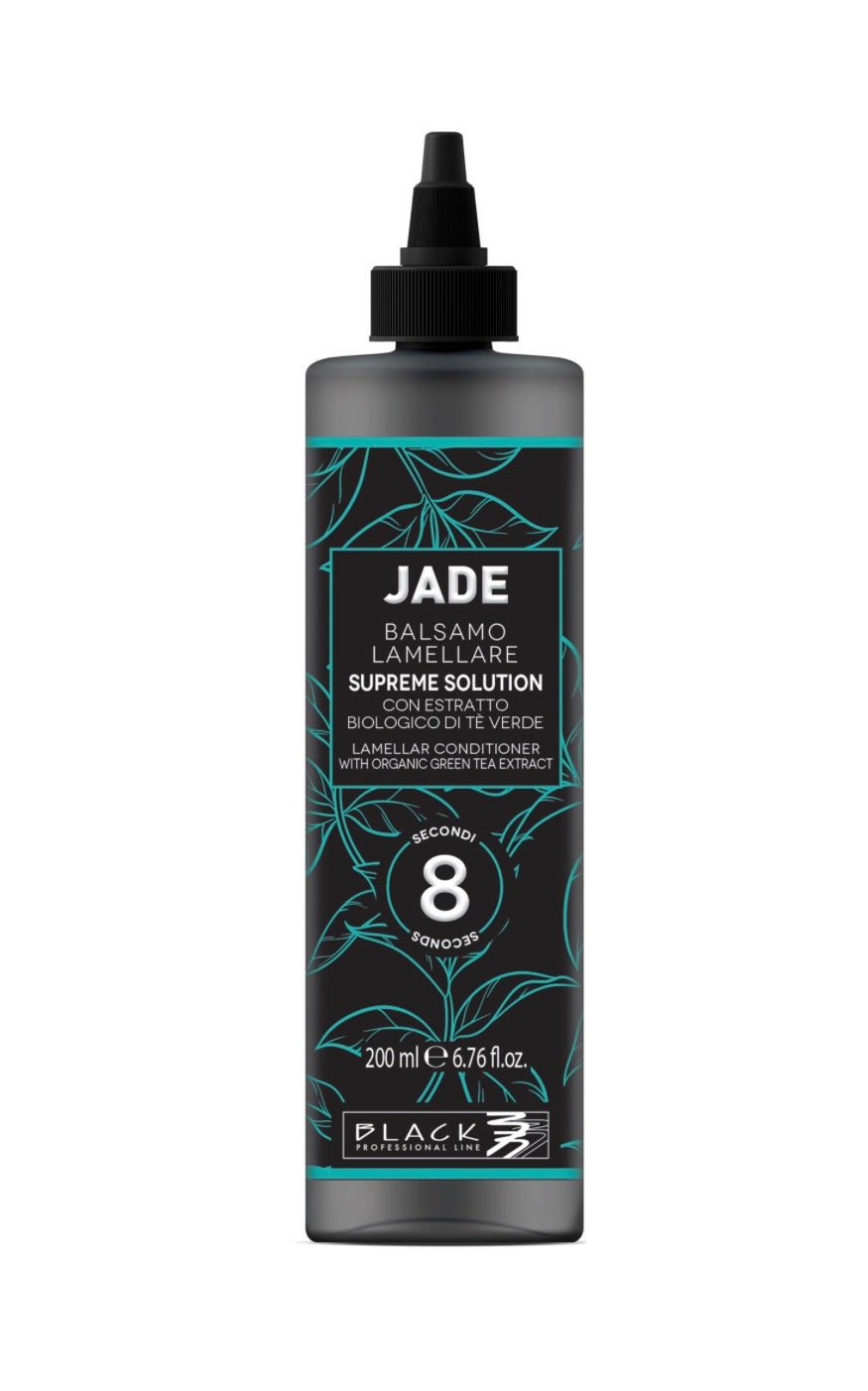
Lamellar hair care with an express effect in just 8 seconds – for all hair types.
Learn moreCHF 18.90
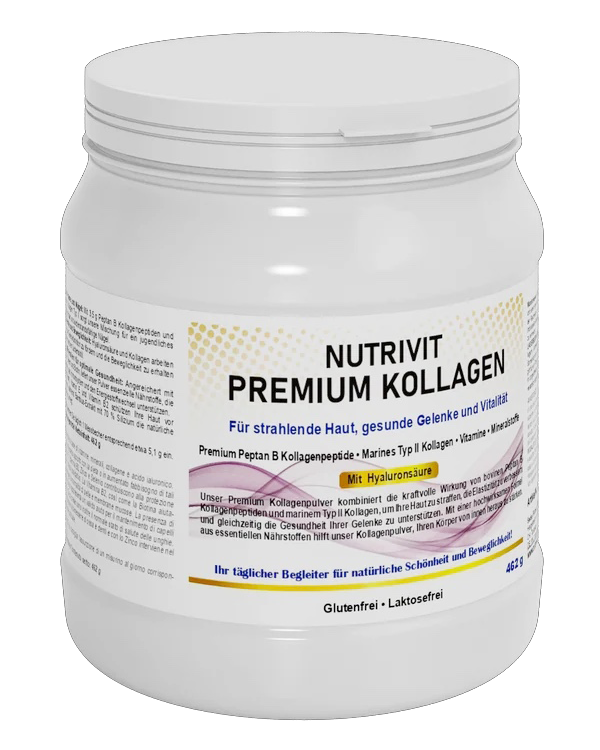
Collagen, hyaluronic acid and selected micronutrients for your beauty routine from within. Three-month pack.
Learn moreCHF 72.–
POWER Caps 2.0 are specially developed to counter hereditary hair loss. With a unique combination of bamboo extract (silicon), amino acids (L-cysteine, L-methionine), vitamins, biotin, zinc and selenium, they strengthen hair from within, support the health of the hair roots and extend the growth phase. The result: stronger, fuller hair and less hair loss.
POWER Caps 2.0 help counter hair loss and strengthen and fortify hair and hair roots from within.
Take one tablet daily with sufficient water. For optimum results, use for at least 6 to 12 months.
Food supplements should not be used as a substitute for a varied and balanced diet and a healthy lifestyle. Do not exceed the recommended daily intake. Keep out of reach of young children.
POWER Lotion 2.0 is a topical solution for hair loss (alopecia) with 5% Capixyl™. The formula is directed at the hair roots, strengthens the scalp and supports healthy hair growth. Ideal for hormonally related or diffuse hair loss.
POWER Lotion 2.0 helps counter hair loss and strengthens and fortifies the hair roots directly at the scalp. Together with POWER Caps 2.0, it creates a coordinated inside-and-out hair-care routine.
POWER Lotion 2.0 is for external use only. When hair loss is increased, apply daily to the dry scalp and massage in gently. After improvement, use three times a week. Do not rinse.
POWER Shampoo 2.0 is a regenerating, conditioning shampoo for daily hair washing. It combines gentle cleansing with an innovative active formula to strengthen the hair structure and soothe sensitive or irritated scalps. The selected ingredients promote circulation, have a bacteriostatic effect and reach the hair roots directly during washing – for visibly healthier, stronger-looking hair.
Massage into wet hair and work through to the scalp. Leave on for at least 2 minutes, then rinse thoroughly. Suitable for daily use.
The POWER 2.0 Hair Care Set combines targeted ingredients for the internal and external care of hair loss. The synergistic combination of shampoo, lotion and capsules addresses the main causes of thinning hair: weakened hair roots, hormonal imbalances and nutrient deficiency.
Ideal for men and women with hereditary, diffuse or stress-related hair loss. For visibly stronger, fuller and healthier-looking hair – from root to tip.
NutriVit Premium Collagen is a highly effective collagen powder for skin, joints and vitality. It combines bioactive Peptan® B collagen peptides with marine type II collagen and carefully selected micronutrients. This combination supports skin elasticity, strengthens hair and nails and contributes to mobility and joint function. Ideal as a daily companion for natural beauty from within.
Stir 1 measuring scoop (approx. 5.1 g) into water or a drink of your choice and drink. For optimum results, use for at least 8–12 weeks.
Food supplements should not be used as a substitute for a varied and balanced diet and a healthy lifestyle. Do not exceed the recommended daily intake. Keep out of reach of young children.
NutriVit Booster combines essential vitamins, minerals and plant extracts in a practical daily formula. It contains biotin, iron, folic acid, vitamin D3, zinc, selenium as well as pomegranate and green-tea extract.
Take 1 tablet daily with sufficient liquid. For optimum effect, use for a period of at least 3 months.
Food supplements should not be used as a substitute for a varied and balanced diet and a healthy lifestyle. Do not exceed the recommended daily intake. Keep out of reach of young children.
POWER Lashes & Brows Serum combines powerful, well-tolerated ingredients for visibly fuller, longer lashes and defined brows. The hormone-free formula conditions the hair follicles, supports natural growth and creates an intense, natural result – gentle on the sensitive eye area.
Apply in the evening after cleansing the face to the dry lash line and/or brows. Allow to absorb gently. Use daily for optimum results.
PH12 Spray is a refreshing facial toner based on highly pure, super-ionised water with a pH value of 12. The formula with seven valuable minerals supports daily skin care and cleansing – ideal for dry, sensitive or stressed skin. Free from fragrance, alcohol and preservatives – also suitable for particularly sensitive skin.
Spray generously from approx. 10 cm onto the area to be treated. Do not wipe or rinse off. Can be used several times a day. Suitable for face and body.
PH12 Gel is a gentle, moisturising care product with a gel texture – ideal for sensitive and stressed skin. The formula based on super-ionised water with seven valuable minerals supports skin regeneration, provides a pleasant cooling sensation and leaves the skin feeling fresh. Free from alcohol, fragrance and preservatives – especially suitable for daily use on sensitive or stressed skin.
Apply generously to cleansed skin. Spread gently without massaging in. Can be used several times a day. Ideal for face and body.